

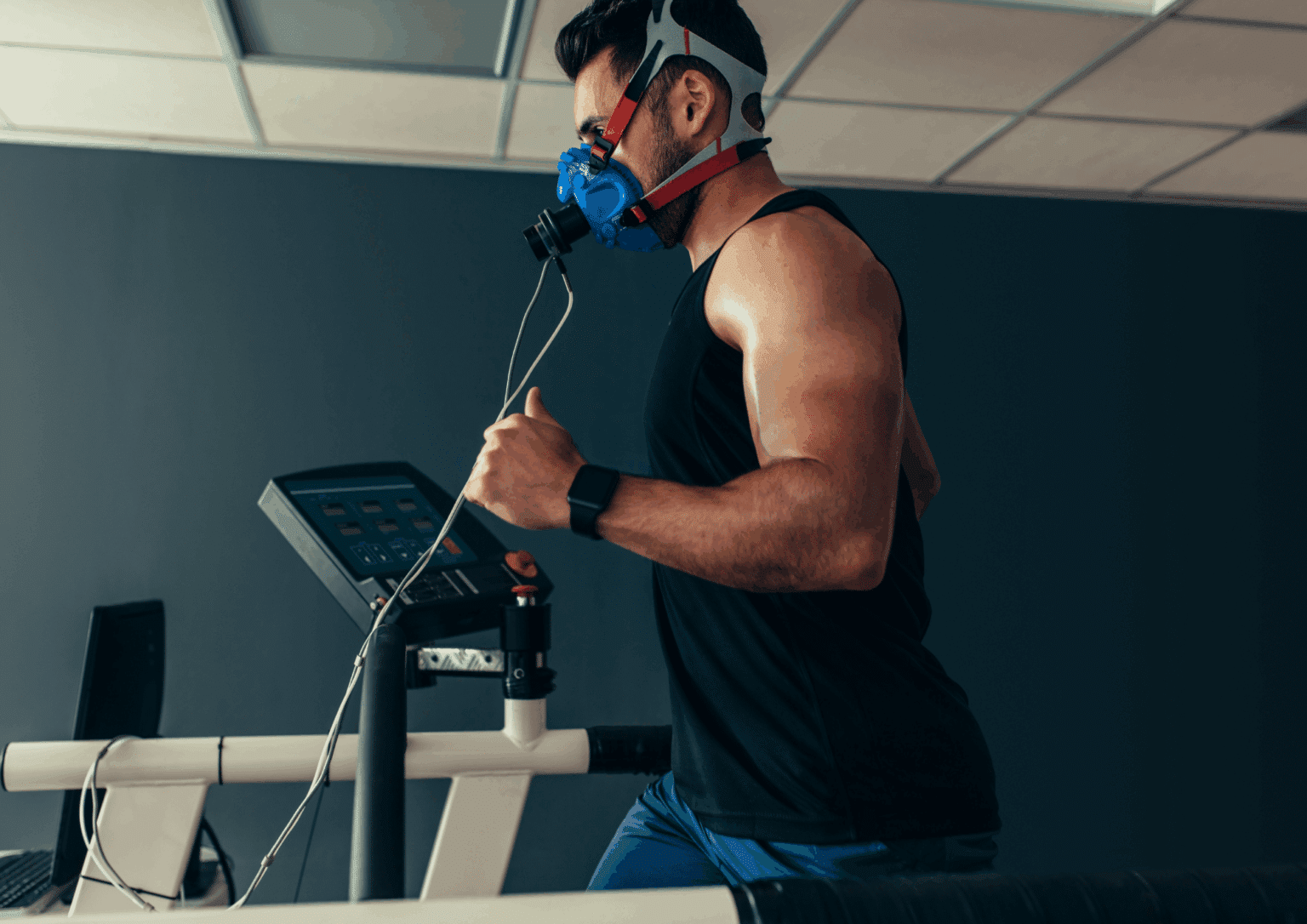
If you’re thinking about taking ATAR Physical Education Studies (PES) in Years 11 or 12, you’re choosing a subject that connects real-world sport with scientific understanding. This course explores how the body, mind, and environment work together to influence performance – helping you see sport from the perspective of an athlete, coach, and scientist.

It’s ideal for students who enjoy being active but also want to understand the ‘why’ behind performance.
Whether you’re interested in sport, fitness, health, or psychology, PES builds analytical and problem-solving skills that extend well beyond the classroom.
The best part about this subject is that it’s hands-on and thought-provoking. You won’t just learn about how the body moves, you’ll explore how people think, train, and perform under pressure. So, what does the course involve and how can you get ahead from the start? Let’s look at what you’ll be studying and the essential skills you’ll need to develop early.
What You’ll Learn in ATAR Physical Education Studies
The ATAR PES course is taught across two years and blends theory with applied practice. In Year 11, you’ll build your foundation by studying topics like motor learning and coaching, functional anatomy, biomechanics, exercise physiology, and sport psychology. You’ll learn how skills are acquired and transferred, how muscles and bones work together to create movement, and how physical training affects performance. You’ll also study the mental side of sport – motivation, leadership, and feedback – to understand how psychology shapes success.
Year 12 builds on these foundations, focusing more on performance analysis and strategy. You’ll explore training principles, biomechanics in advanced sporting contexts, and the sociocultural influences that shape sport today. Together, these units help you see sport as a complex system of physical, mental, and social interactions.
As you move through these topics, you’ll notice that everything connects – biomechanics links to physiology, and psychology ties into coaching.

That’s one of the great strengths of PES: it gives you a complete picture of performance.
Understanding how these areas overlap will help you answer exam questions more fluently and confidently later on.
Key Syllabus Themes
Across both years, several major themes form the backbone of the course. These themes connect theory with practice and give structure to how you analyse performance.
- Movement analysis: breaking down skills (like a volleyball spike or sprint start) into distinct phases to understand what makes them effective.
- Performance improvement: applying training principles and feedback models to help athletes progress.
- Data interpretation: reading and analysing graphs, tables, and test results to make informed judgements about performance.
- Inquiry and reflection: asking meaningful questions, researching, and evaluating different training methods or coaching approaches.
Each of these themes builds on the others. For example, learning to analyse movement helps you collect better data, which then informs how you plan to improve performance. By viewing the syllabus this way, you’ll see that PES isn’t a collection of separate topics – it’s a system designed to help you think critically about sport.
Essential Skills and Concepts
To succeed in PES, it’s important to develop certain core skills early. These will not only help in assessments but also strengthen your overall understanding of the subject.
- Applying theory to performance: use what you learn in class to explain real sporting examples. If you study biomechanics, apply it to a long jump take-off or a tennis serve.
- Using correct terminology: master key terms such as ‘force summation’, ‘proprioception’, and ‘energy systems’. Accurate language helps you write precise and professional responses.
- Understanding performance frameworks: learn and apply models like the skill acquisition stages, performance improvement cycle, and training principles. These frameworks give structure to your answers and demonstrate higher-order thinking.
- Interpreting data and feedback: practise reading heart rate graphs, timing splits, or test results, then explain what they reveal about performance and training.
When you build these skills, your learning becomes much more purposeful. Instead of memorising facts, you start connecting concepts to real outcomes – a crucial ability for success in ATAR-level courses.
How to Build a Strong Foundation Early
Establishing good habits in Year 11 sets you up for a smoother Year 12. PES rewards consistency – the more often you apply the theory, the more naturally it comes during assessments.
- Learn key frameworks and principles early: memorise key models and practise explaining them. Try sketching diagrams of levers or the training principles of overload and specificity.
- Practise structured explanations: when writing, always aim for clear structure – introduce, explain, apply, conclude. This pattern works in both short-answer and extended-response questions.
- Develop observation and reflection habits: film your own technique or a teammate’s, identify areas for improvement, and reflect using PES terminology.
- Connect theory to practical experiences: use your time in sport or training sessions to observe biomechanical or physiological concepts in action.
These habits take time to form, but once established, they make learning in Year 12 far more intuitive. By practising how to explain and apply concepts now, you’ll find the written and practical components of PES align much more easily.
Why Start Early
Getting ahead in Year 11 means more than just staying organised – it allows you to build confidence with the types of questions and concepts that appear later in the course. Exams often ask you to describe, analyse, or justify, and each command word requires a different level of detail. Practising these now helps you develop instinctive clarity under pressure.
It also gives you time to build a solid bank of examples. Collect real-life case studies or sporting data that illustrate PES concepts – this helps you apply theory in authentic ways.

For instance, linking energy systems to sprint events or using feedback principles from your own sport experience shows depth and understanding.
Ultimately, starting early isn’t about working harder – it’s about working smarter. The sooner you build confidence in using the language and frameworks of the course, the easier Year 12 becomes.
Where to Find Support
At ReviseOnline, we understand how challenging it can be to balance theory and practice. That’s why our learning tools are designed to help you strengthen both sides – understanding the content and applying it effectively.
- ASSESSED: practise WACE-style questions that test how well you apply syllabus concepts in written form.
- PREPED: join revision workshops focused on improving structure, terminology, and exam confidence.
Using these tools as you go through the year ensures that you’re not just keeping up – you’re moving ahead. They give structure to your study, support your school learning, and help you turn practice into mastery.
Final Thoughts
Choosing ATAR Physical Education Studies is more than just picking a subject – it’s deciding to understand sport at a deeper level. By learning to analyse movement, interpret data, and explain performance clearly, you’ll gain skills that are valuable in any future study or career in sport, health or science.
Start small, stay curious, and keep building your understanding step by step. With consistent practice and the support of ReviseOnline’s ASSESSED and PREPED programs, you’ll not only enjoy the journey – you’ll be ready to perform at your best when it matters most.